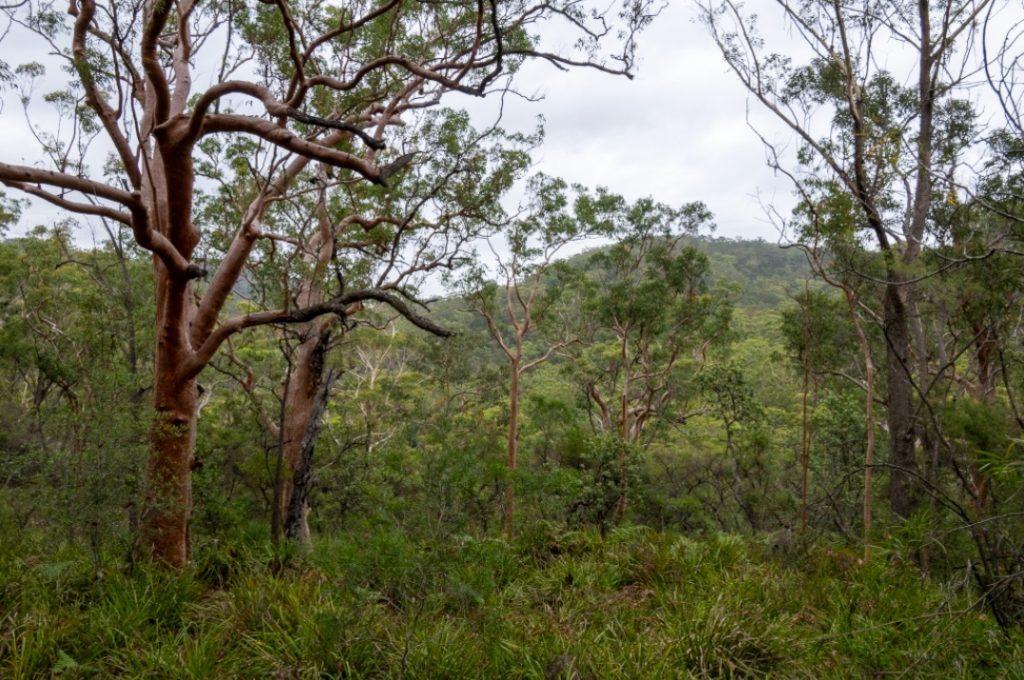
Galston Gorge—or simply “The Gorge” to locals—is a breathtaking stretch of rugged bushland carved between Hornsby Heights and Galston. Whether you’re white-knuckling the hairpin turns of Galston Road or trekking in via the Great North Walk, the scenery is undeniable. Towering Angophora trees lean over the landscape, casting long shadows across the cool, tea-colored waters of the creek below.
The Gorge is a place of deep history, whispering stories of its pre-settlement origins and its era as a vital trading route for 19th-century orchardists navigating horse and cart through the scrub.
The Ruins on the Hill
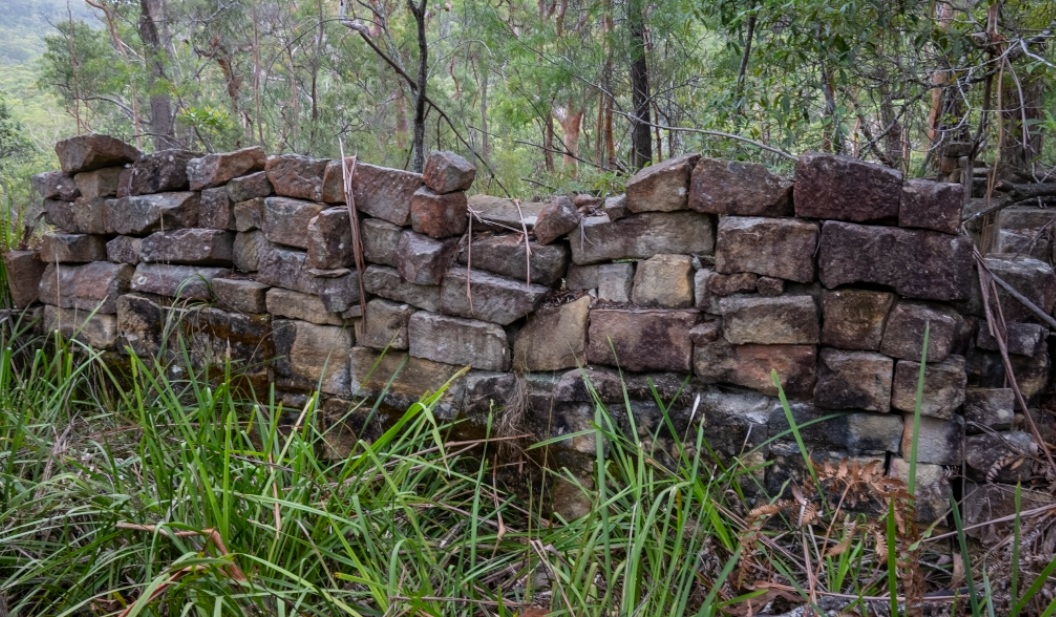
Hidden high above the depths of the valley lies a lesser-known relic: the remains of an old stone cottage. This was once the private sanctuary of George Adolphus Thomas, a Sydney artist who acquired 106 acres of this wild terrain in 1864.
Though intended as a peaceful retreat, the home met a tragic fate. It was severely damaged by bushfire, and despite efforts to rebuild, the elements eventually reclaimed it. Local rumors suggest that much of the original hand-cut stone was scavenged over the decades, leaving only fragments of Thomas’s vision behind.
What Remains Today
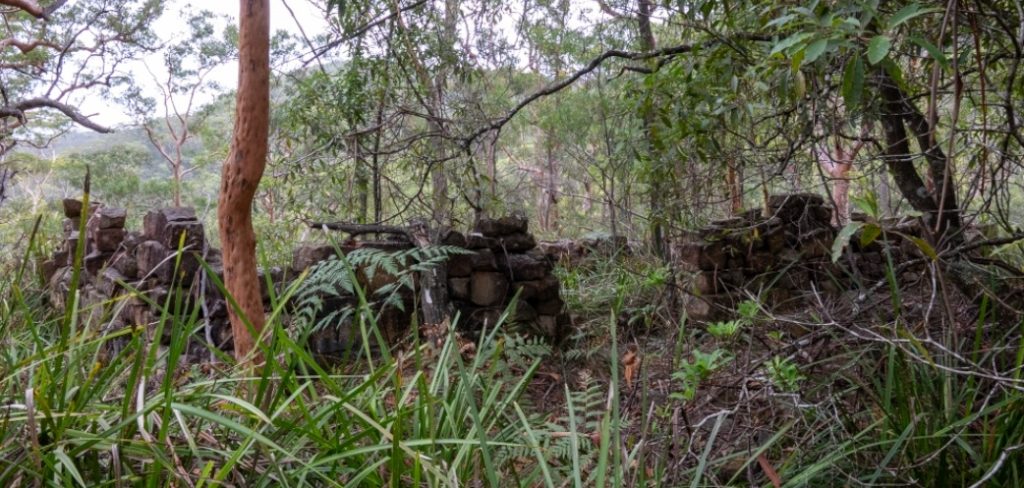
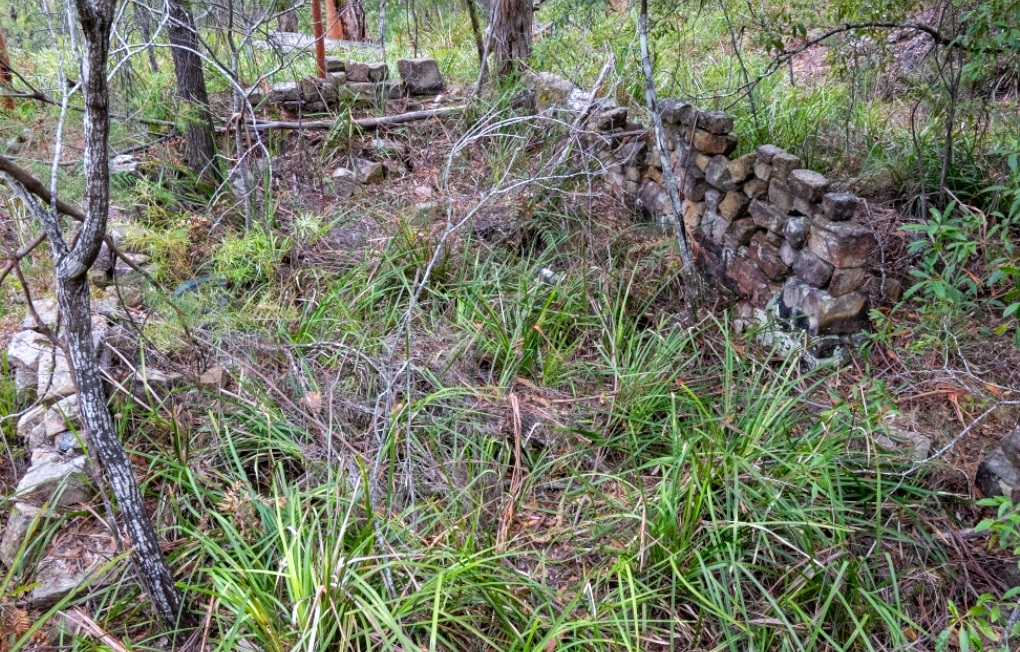
Nature has done its best to hide the site, blanketing the area in thick native grasses and shrubs. However, for those who know where to look, the history is still tangible:
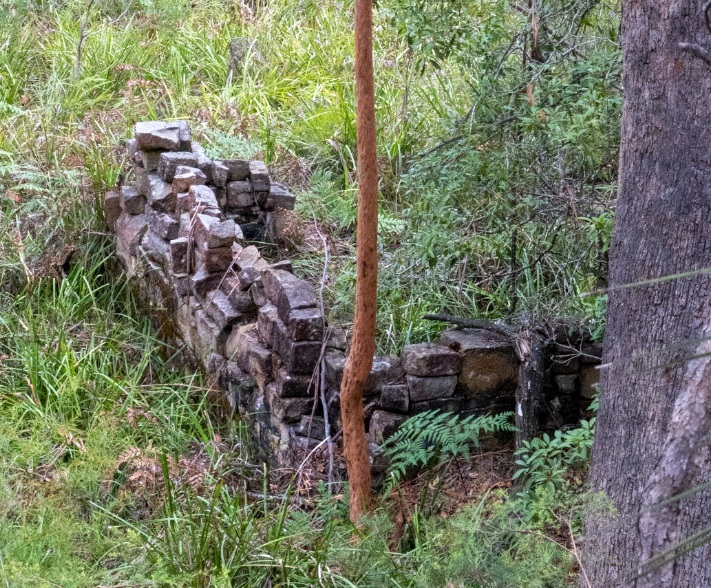
- The Walls: You can still trace the cottage’s footprint, though the remaining stone walls now stand no more than a meter high.
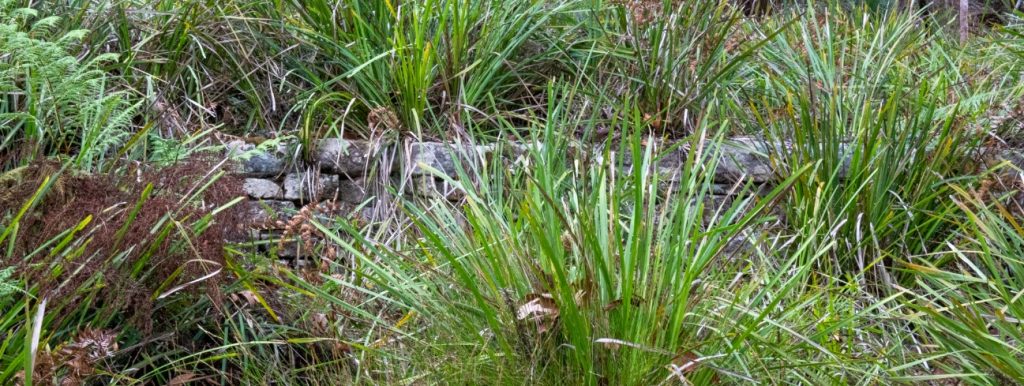
- The Retaining Wall: To the south, a solid stone retaining wall remains remarkably intact, a testament to the craftsmanship of the 1860s.
If you’re interested in the life of George Adolphus Thomas or the early settlement of the region, the Dural and District Historical Society Inc. remains the best resource for uncovering the finer details of this artist’s lost estate.


